
Blog

The Financial Implications of Poor EPC Ratings on Rental Values of Non-Domestic Buildings in the UK
Poor EPC ratings aren’t just a compliance headache - they can reduce rental income, hamper valuations and limit finance options for non-domestic buildings. This article explains the financial risks and what property owners should plan for.

Cost vs Benefit of moving your buildings to Zero Carbon
Going zero-carbon isn’t just a sustainability badge, it’s a strategic decision. This article explores the upfront costs of moving buildings to zero carbon, the long-term savings and value uplift, and when the business case really adds up for landlords and asset managers.

A lapsed EPC and MEES – what happens at lease renewal?
There is often confusion about what happens when an existing tenant renews and the EPC has expired. This article explains the implications for MEES compliance, what landlords must do at renewal, and how to avoid unwanted delays or risk.
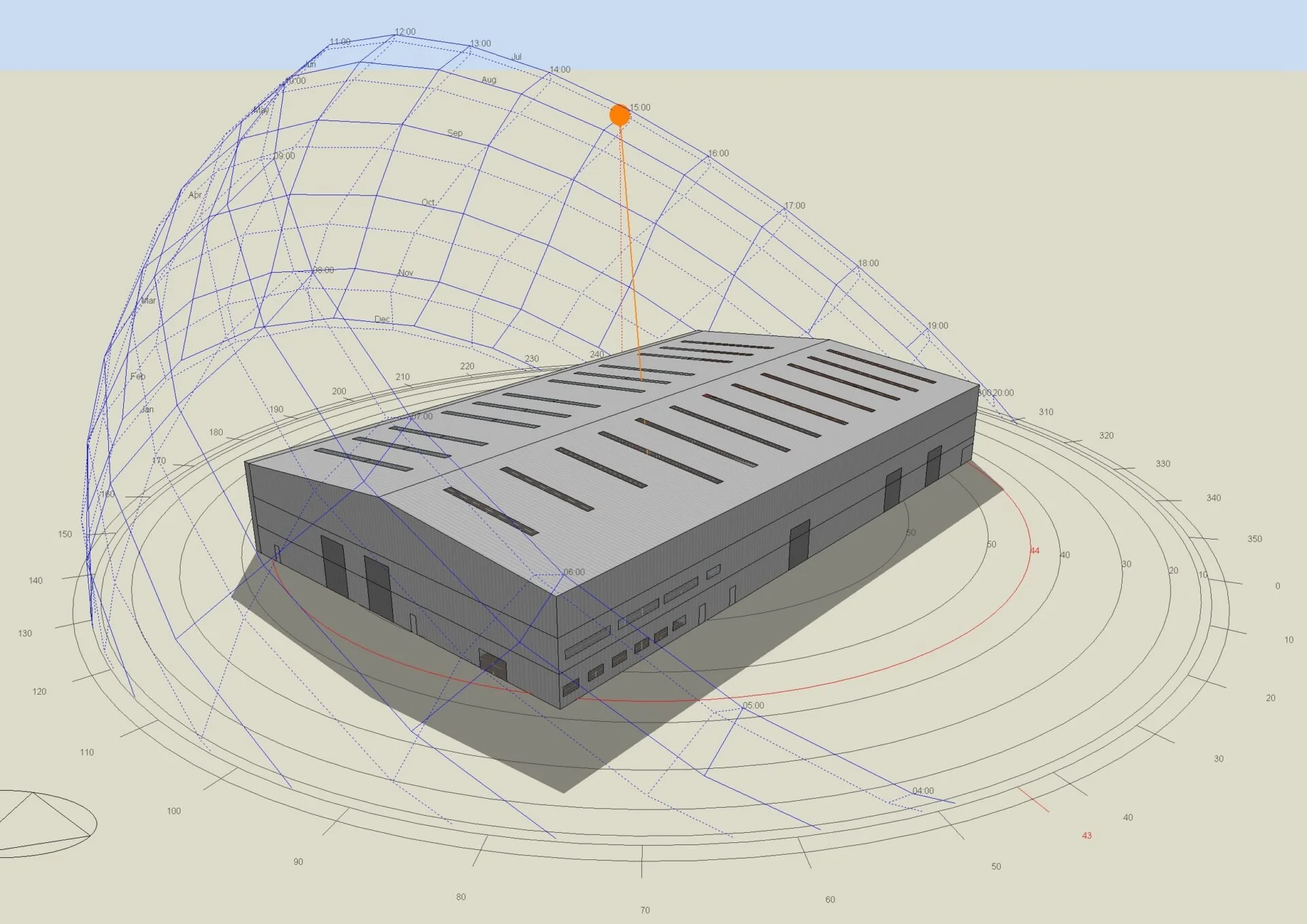
Hi-def EPCs: what exactly is EPC Level 5 / DSM?
Level 5 software can be used on any building, complex or not. At MEES Solutions we believe our clients have not been properly advised on their EPC ratings unless Level 5 has been considered.

1.5 degrees – the hottest year on record
The breach serves as a stark reminder of the scale of the challenge and the need for decisive and immediate responses.

Carbon factors and why getting off gas will boost your EPC rating
Carbon factors are crucial when considering older non-domestic Energy Performance Certificate (EPC) ratings, particularly in light of changes occurring in 2025. Despite EPCs being valid for 10 years, any pre-June 2022 EPC rating (pre-February 2023 in Wales) is now considered outdated


Why businesses need to keep their cool as the temperature rises
With rising temperatures impacting productivity, comfort and risk in commercial buildings, this article explains why managing heat is essential for asset performance and how your services, fabric and systems play a key role.

Does MEES Compliance make sense for commercial landlords?
This article explores how MEES isn’t just a regulatory hurdle - it can be a strategic opportunity to protect asset value, secure tenants and drive operational savings.